
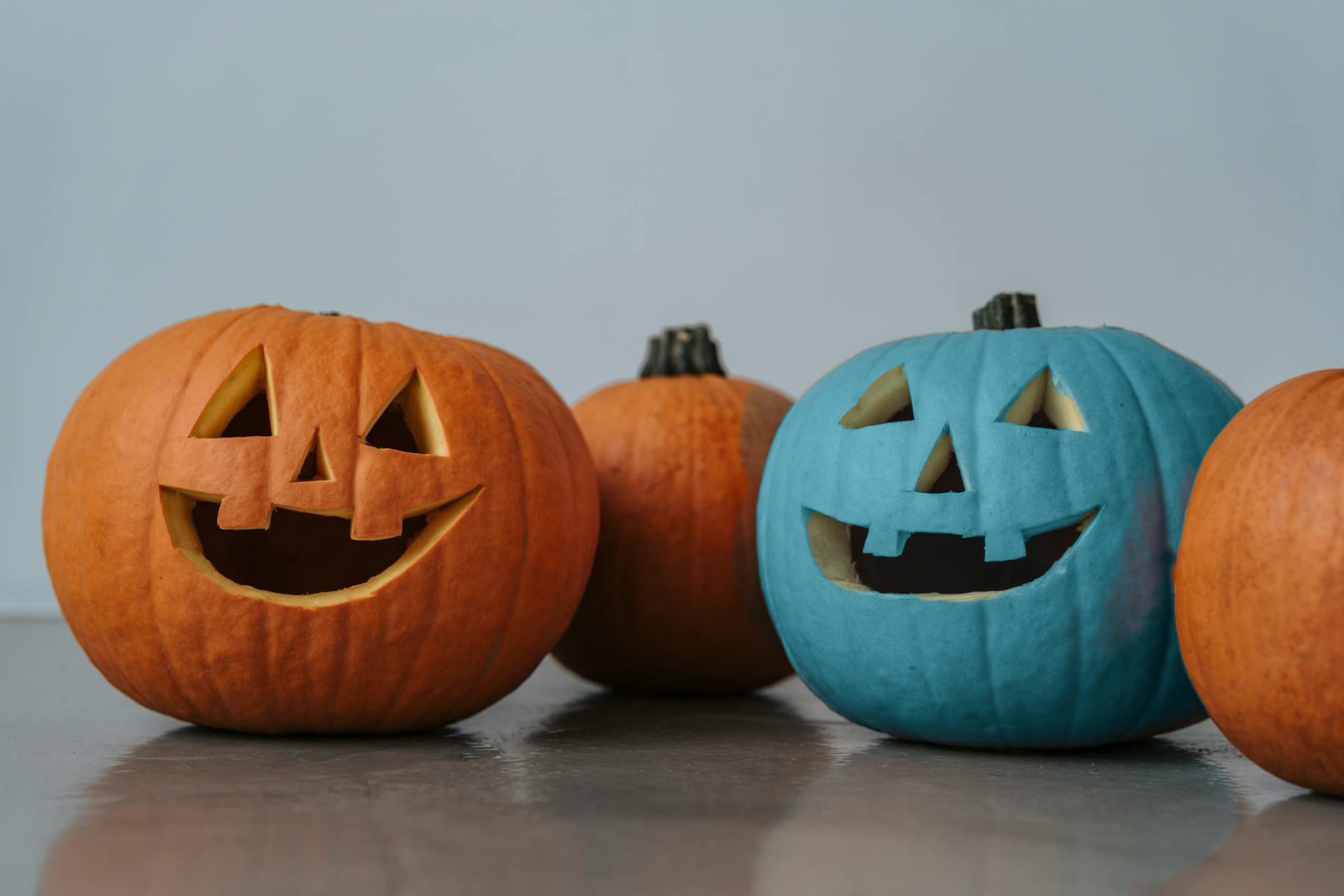
If you’ve noticed teal-colored pumpkins appearing on neighborhood porches during Halloween in recent years, you’re witnessing a compassionate movement that’s transforming trick-or-treating into a more inclusive experience for all children. Unlike the traditional orange pumpkins that have decorated doorsteps for generations, these distinctive teal gourds carry a special message of welcome and safety. They represent a growing awareness that Halloween should be a celebration every child can enjoy without fear or exclusion. As more families embrace this simple yet meaningful gesture, communities across the country are discovering that inclusion doesn’t require grand efforts—sometimes, it just takes a can of paint and a generous heart.
We may earn a commission for purchases made through our links.
What Does a Teal Pumpkin Mean?
The teal pumpkin serves as a simple yet powerful signal that a household is participating in the Teal Pumpkin Project, an initiative created by Food Allergy Research & Education (FARE) in 2014. This grassroots movement began when a Tennessee mother started painting pumpkins teal—the official color of food allergy awareness—to help her own child with severe allergies feel included during Halloween festivities. The idea rapidly gained momentum through social media, and within just a few years, it evolved into a nationwide phenomenon that now reaches millions of families.
When you display a teal pumpkin on your porch, you’re essentially hanging out a welcome sign that tells trick-or-treaters and their parents that your home offers non-food treats alongside or instead of traditional candy. This visual cue allows families managing food allergies to identify safe houses at a glance, eliminating the anxiety of wondering whether their children will be able to accept treats at each door. Furthermore, it opens up conversations about inclusivity and teaches all children that communities thrive when everyone considers the needs of others.
Why the Teal Pumpkin Project Matters
The Reality of Food Allergies in Children
Food allergies affect approximately 1 in 13 children in the United States, which means that in an average classroom, at least two children are navigating the daily challenges of avoiding potentially life-threatening ingredients. These aren’t just minor sensitivities or preferences—food allergies can trigger severe reactions called anaphylaxis, which can cause difficulty breathing, dangerous drops in blood pressure, and even death within minutes of exposure. The most common allergens include peanuts, tree nuts, milk, eggs, wheat, soy, fish, and shellfish, and many of these ingredients appear in the vast majority of Halloween candy.
Additionally, parents of allergic children must remain constantly vigilant, reading every label and questioning every ingredient. A single bite of the wrong candy can send a child to the emergency room, making Halloween—a holiday centered entirely around collecting and eating treats—particularly stressful. While other children excitedly sort through their loot and trade candies with friends, children with food allergies often face the disappointing reality that most of their haul is off-limits. Consequently, what should be a magical evening of fun and excitement becomes a night filled with caution and potential danger.
How to Participate in the Teal Pumpkin Project
Setting Up Your Teal Pumpkin Display
Participating in the Teal Pumpkin Project is remarkably simple and requires minimal effort or expense. You can easily paint a real pumpkin with teal acrylic or spray paint, which typically costs just a few dollars at any craft store. Alternatively, many retailers now sell pre-painted teal pumpkins, plastic teal pumpkins, or even teal pumpkin buckets during the Halloween season, making it even more convenient to join the movement. If painting isn’t your preference, FARE offers free printable signs on their website that you can display in your window or tape to your door.
Once you’ve secured your teal pumpkin, place it prominently on your porch, steps, or wherever trick-or-treaters can easily spot it from the sidewalk. Good visibility is crucial because parents scanning the neighborhood for safe houses need to identify participating homes quickly. Additionally, you can register your address on FARE’s interactive Teal Pumpkin Project map, which allows families to plan their trick-or-treating routes in advance and identify welcoming homes in their area. This extra step takes only a minute but significantly helps families who depend on these resources to ensure their children can participate safely in Halloween festivities.
Non-Candy Alternatives: Creative Treats That Everyone Can Enjoy
Small toys, trinkets, and practical items offer the perfect combination of excitement and safety, giving children something tangible to enjoy without any food-related concerns. These alternatives appeal to various age groups and provide lasting value rather than disappearing in minutes like candy does. Here are popular non-candy options that consistently delight trick-or-treaters:
Small Toys and Trinkets

50 Pcs 6 Inch Halloween Glow Sticks

105 Pcs Halloween Glow in The Dark Bouncy Balls

LUYI 98 PCS Halloween Slap Bracelets Wristbands and Stickers

30 Pcs Mini Fidget Spinners

30 Pack Kawaii Squishy Toys
Arts and Crafts Supplies

24 Pack Small Coloring Books for Kids

20 Boxes Mini Colored Pencils
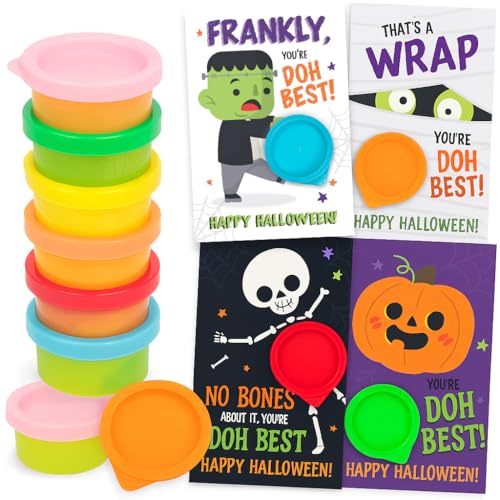
Play Dough Halloween Party Favors

Halloween Witch Broom Pencil

JOYIN 25 Pieces Halloween Stamps
Practical Items Kids Want

Faccito 48 Pcs Tie Dye Bookmarks

20 PCS Mini Halloween Bubble Wands

Mini Compass for Kids Keychain

FASTPRO 18-Pack, LED Mini Flashlight Set
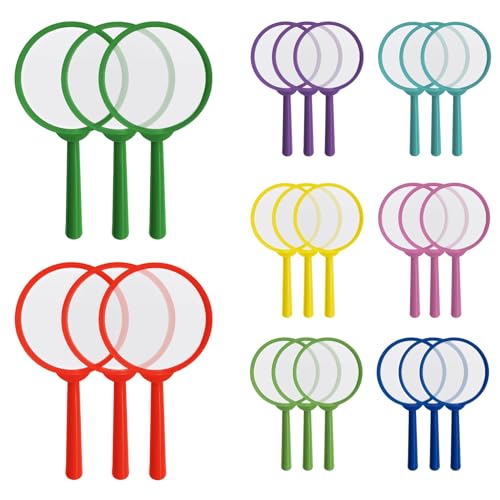
24Pcs Kids Magnifying Glasses
Frequently Asked Questions
What does a teal pumpkin mean on Halloween?
A teal pumpkin on Halloween signals that a household is participating in the Teal Pumpkin Project and offers non-food treats for trick-or-treaters with food allergies. This teal-colored pumpkin serves as a visual indicator that families can identify safe homes where their children with allergies can receive allergy-friendly alternatives instead of or alongside traditional candy. The teal color represents food allergy awareness and helps create an inclusive Halloween experience for all children.
Where can I buy a teal pumpkin for Halloween?
You can purchase teal pumpkins at major retailers like Target, Walmart, and craft stores during the Halloween season. However, you don’t need to buy a pre-made teal pumpkin—simply paint any regular pumpkin with teal acrylic or spray paint from your local craft store. Alternatively, download and print a free teal pumpkin sign from the FARE website to display on your door or window. Many families also create DIY teal pumpkin decorations using construction paper or teal ribbons.
What are the best non-candy Halloween treats for the Teal Pumpkin Project?
The best non-candy Halloween treats include glow sticks, stickers, small toys, bouncy balls, temporary tattoos, pencils, mini bubbles, and play-dough. These allergy-friendly Halloween treats appeal to various age groups and eliminate food-related concerns for children with allergies. Popular options also include fidget toys, mini coloring books, Halloween erasers, and small craft supplies. You can find affordable bulk options at dollar stores or online retailers to stock up for trick-or-treaters.
Do I have to give out only non-food treats if I display a teal pumpkin?
No, you don’t have to give out only non-food treats when participating in the Teal Pumpkin Project. Most households use a dual-bowl system, offering both traditional candy and allergy-friendly non-food alternatives so children and parents can choose what works best for them. This approach maintains the traditional Halloween experience while ensuring children with food allergies have safe options. Simply label your bowls clearly so trick-or-treaters know which treats are allergy-friendly.
How do I register my house for the Teal Pumpkin Project?
You can register your house for the Teal Pumpkin Project by visiting the FARE (Food Allergy Research & Education) website and adding your address to their interactive Teal Pumpkin Project map. This free registration allows families in your area to plan their trick-or-treating routes in advance and identify participating homes. Additionally, share your participation on local Facebook groups or neighborhood apps to help spread awareness and connect with families who need allergy-friendly Halloween options.