
We may earn a commission for purchases made through our links.
Blending has evolved from a simple kitchen task into a versatile cooking technique. Today’s blenders can create everything from silky smoothies and creamy soups to complex sauces and frozen desserts. But with so many options available, choosing the right blender can feel overwhelming.
Here’s the reality: not all blenders perform equally. Some can pulverize ice into perfect snow, while others leave you with chunks that could chip a tooth. The key is understanding which features actually matter for your specific needs and cooking style.
Assess Your Blending Needs
Before diving into features and specifications, take a moment to consider how you’ll actually use your blender. Daily smoothie makers have different needs than weekend soup creators. Being honest about your usage patterns will help you focus on the features that matter most while avoiding expensive bells and whistles you’ll never use.
Think about frequency of use, typical batch sizes, and the types of recipes you make most often. This assessment will guide you toward the right type of blender and appropriate power level for your kitchen.
Types of Blenders
Personal Blenders
Personal blenders are designed for single-serving portions and grab-and-go convenience. These compact units excel at making individual smoothies and shakes, often blending directly into travel cups. While they won’t win any power contests, they’re surprisingly capable for soft fruits, liquids, and basic blending tasks.
The real advantage? Most personal blenders feature dishwasher-safe components and require minimal cleanup, making them perfect for busy mornings and small kitchens.
Nutribullet Ultra Personal Blender
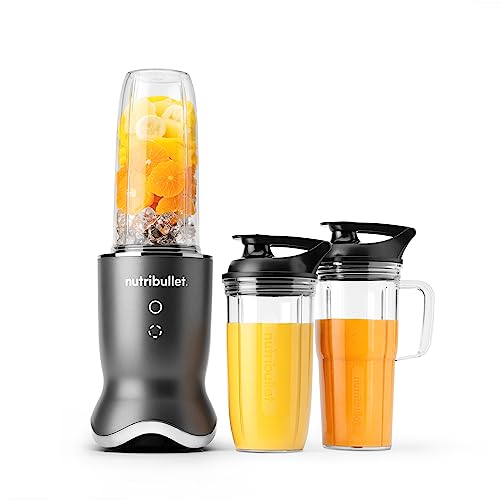
The NutriBullet Ultra is like having a quiet powerhouse on your counter – packing 1200 watts of blending muscle while keeping the noise down to a civilized hum. Its sleek design won’t hog precious counter space, and the intuitive glow interface makes blending as simple as setting your cup down and choosing between automated smoothie mode or pulse control. Plus, you can feel good about those eco-friendly Tritan Renew cups that are tough enough to handle daily smoothie sessions and kind enough to help the planet.
PROS
✓ The 1200-watt motor blends tough ingredients like greens and frozen fruit into smooth, creamy smoothies
✓ Engineered for lower-frequency sound
✓ Features an intuitive interface with automated cycles and simple cleaning with soapy water
CONS
✕ Over-tightening the blade lid can make it difficult to remove
✕ The blender (especially the renewed version) has limited availability
Countertop Blenders
Countertop blenders are the workhorses of the blending world, offering the most versatility and power for home kitchens. With larger capacities and robust motors, they handle everything from ice crushing to hot soup blending with ease. These models typically include variable speed controls and preset programs for consistent results across different recipes.
Their larger jars make them suitable for family-sized portions and batch preparation, though you’ll need to dedicate more counter and storage space than with personal models.
Vitamix 5200 Blender
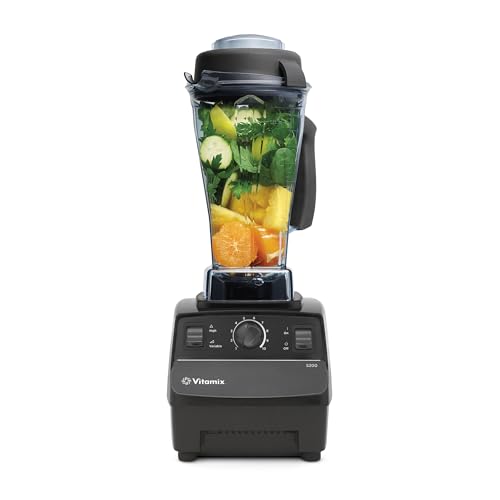
The Vitamix 5200 is the Swiss Army knife of blenders – this workhorse can tackle everything from silky smoothies to piping hot soups without breaking a sweat. With its variable speed dial, you’re the maestro conducting a 64-ounce orchestra of ingredients, and those aircraft-grade blades mean this machine will outlast most kitchen appliances (and probably your next three toasters). Best of all, it cleans itself in under a minute, because who has time for scrubbing when there are more delicious things to blend?
PROS
✓ The 1380-watt motor and hardened stainless-steel blades effortlessly blend tough ingredients
✓ Creates smoothies, hot soups, nut butters, and more, using friction heat to cook in about six minutes
✓ Blends warm water and dish soap at high speed to clean itself in 30-60 seconds without disassembly
CONS
✕ At around $400-$500, it’s a significant investment compared to other blenders
✕ The powerful motor can be loud, which may disturb some users during use
✕ The 64 oz container and tall profile may not fit easily under standard kitchen cabinets
Immersion Blenders
Immersion blenders are the unsung heroes of many kitchens, providing unique advantages for specific tasks. They excel at blending hot soups directly in the pot, eliminating the dangerous dance of transferring hot liquids. Their compact design saves precious storage space, and cleanup is refreshingly simple—just rinse the blending shaft and you’re done.
While they’re not as powerful as countertop models, immersion blenders offer precision for small batches and delicate tasks that larger blenders might overdo.
All-Clad Electrics Stainless Steel Immersion Blender

The All-Clad Immersion Blender is like having a magic wand for your kitchen – one that happens to look incredibly sophisticated while it works. This sleek stick can dive deep into any pot or bowl, transforming everything from chunky soups to baby food with the flick of your wrist. The variable speed control puts you in the driver’s seat, while that detachable stainless steel design means cleanup is as effortless as the blending itself.
PROS
✓ Comes with a whisk and chopper attachment for tasks like whipping cream or chopping herbs, expanding its functionality
✓ The detachable stainless steel shaft cleans easily under running water or in soapy water with a quick blend.
✓ The sleek, grippy handle and extra-long 9.25-inch shaft make it comfortable and versatile for deep pots.
CONS
✕ The oversized head doesn’t fit in smaller containers like Mason jars, limiting its use for some tasks.
✕ The shaft requires manual cleaning, and the body must be wiped down, which can be less convenient.
Power and Performance Factors
Understanding Wattage
Higher wattage generally indicates more blending power, but don’t get caught up in the numbers game alone. Motor efficiency and blade design play equally important roles in actual performance. For basic smoothies, 300-600 watts is typically sufficient, while ice crushing and tough ingredients demand 1000+ watts of muscle.
Focus on your specific needs rather than chasing the highest wattage available—more power often means higher cost and energy consumption without meaningful benefits for lighter tasks.
Blade Design and Materials
Stainless steel blades offer the best durability and performance, but here’s what really matters: the blade configuration and how it works with the jar shape. Well-designed blade systems create a proper vortex that pulls ingredients down toward the blades for consistent results, while poorly designed ones just fling food around hoping for the best.
Look for blades that are permanently attached to the jar—removable blades might seem convenient, but they often create leaking headaches over time.
Variable Speed Controls
Variable speed control provides precision for different ingredients and textures. Lower speeds work well for gentle mixing and folding, while higher speeds handle tough ingredients and achieve smooth consistencies. This feature is particularly valuable when working with varying ingredient densities in a single recipe.
Jar Materials and Design
Glass vs. Plastic Jars
Glass jars are like the reliable friend who never stains or absorbs odors—they resist scratching and maintain their appearance over time. They’re heavier and more fragile, but you can see your ingredients clearly during blending, which is surprisingly helpful.
Plastic jars are the practical choice: lightweight, shatter-resistant, and typically less expensive. When choosing plastic, make sure it’s BPA-free to avoid potential health concerns. Quality plastic jars perform well, though they may show wear over time with heavy use.
Jar Capacity and Shape
Jar size should match your typical batch requirements. Personal blenders use 12-24 oz containers, while family-sized models range from 48-80 oz. Consider both your serving needs and storage constraints.
Jar shape affects blending performance. Wide jars work better for thick mixtures, while tall, narrow designs excel with liquid-based recipes. The jar bottom design should funnel ingredients toward the blades efficiently.
Important Features to Consider
Ice Crushing Performance
Not all blenders handle ice with the same finesse. Effective ice crushing requires adequate power, proper blade design, and sturdy construction. Some models turn ice cubes into perfect snow, while others leave you with irregular chunks. If frozen drinks, smoothie bowls, or crushed ice are priorities, verify the blender’s ice-crushing capabilities before committing.
Look for models that include specific ice-crushing settings or reinforced blades designed specifically for frozen ingredients.
Pulse Function
The pulse feature provides manual control over blending duration and intensity. This function is essential for achieving specific textures—chunky salsas, coarse chopping, or gentle ingredient incorporation. Pulse prevents over-processing and gives you precise control over the final result.
Cleaning and Maintenance Features
Easy cleaning makes the difference between a blender you’ll actually use and one that collects dust. Self-cleaning functions—where you add water and soap, then run the blender briefly—are genuinely helpful for daily maintenance. Dishwasher-safe components and smooth jar interiors also reduce the post-smoothie cleanup effort.
Consider models with removable blade assemblies if thorough cleaning matters to you, though this convenience sometimes comes at the cost of leak-proof design.
Noise Level Considerations
Blender noise levels vary significantly between models. Standard blenders typically operate between 85-95 decibels, while high-performance models can exceed 100 decibels. If you blend frequently or have noise-sensitive situations (early mornings, thin walls, sleeping family members), consider models with sound enclosures or lower decibel ratings.
Some manufacturers offer quiet operation as a premium feature, which may justify the additional cost for noise-conscious users.
Budget and Value Considerations
Blender prices range from under $50 to over $500, with performance and features varying dramatically across that spectrum. The key is determining your budget based on how often you’ll actually use the thing and which features matter most. Daily users benefit from investing in higher-quality models, while occasional users can often meet their needs with solid mid-range options.
Think about the total cost of ownership—a quality blender that lasts several years often provides better value than cycling through multiple cheaper replacements.
Maintenance and Warranty
Proper maintenance extends blender lifespan and maintains performance. Clean the blender promptly after use to prevent food from hardening on blades or jar surfaces. Avoid blending extremely hot liquids unless your model specifically supports this feature, as heat can damage seals and plastic components.
Regular maintenance includes checking for loose connections, worn seals, and blade sharpness. Most quality blenders require minimal maintenance beyond regular cleaning.
Understanding warranty coverage provides peace of mind and protection for your investment. Look for warranties that cover both parts and labor, and understand what actions might void the coverage. Reputable manufacturers typically offer 3-7 year warranties on quality models.
Making Your Final Decision
The best blender matches your specific needs, budget, and usage patterns. Focus on the features that matter most for your cooking style rather than pursuing the most powerful or feature-rich option available.
Consider your kitchen space, typical batch sizes, and the types of recipes you make most often. A well-chosen blender becomes a reliable kitchen tool that enhances your cooking capabilities for years to come.
Quick Answers to Common Questions
Can personal blenders handle hot soup?
Some can, but check the specs first. Most are designed for cold ingredients, and hot liquids can cause problems with plastic components or create dangerous pressure.
Glass or plastic—what’s the real difference?
Glass doesn’t stain or absorb flavors but is heavier and breakable. Plastic is practical and lightweight but can get cloudy over time. Both work fine if you choose quality.
How do I make my blender quieter?
Look for models with lower decibel ratings, or try placing a towel underneath to dampen vibrations. Some high-end models have sound enclosures, but they come with a price premium.
Is the pulse function really necessary?
If you like having control over texture—chunky salsas, coarse chopping, or gentle mixing—then yes. It’s one of those features that seems simple but makes a real difference in results.