
We may earn a commission for purchases made through our links.
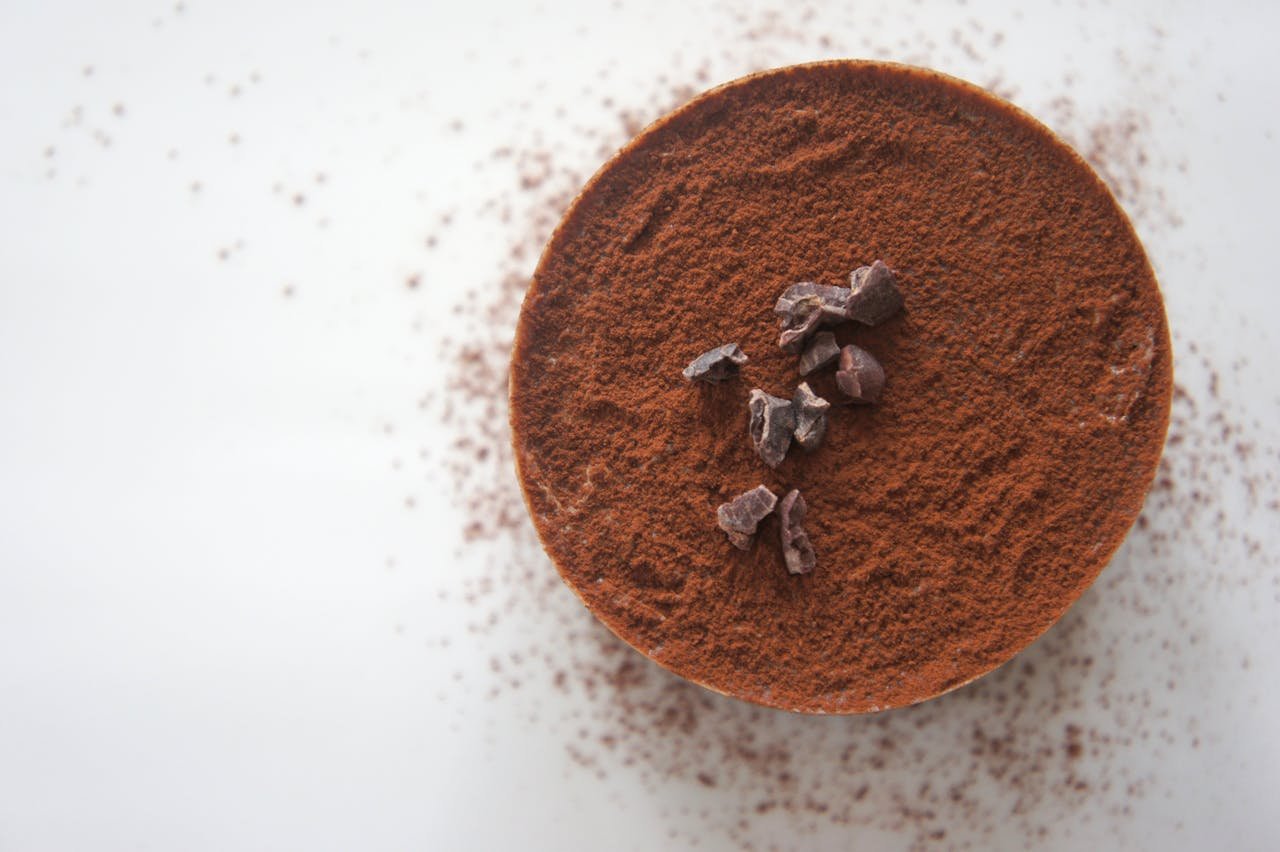
Here’s what makes cacao powder so appealing: it’s one of the few “superfoods” that actually lives up to the hype. Rich in magnesium, iron, and those coveted flavanols that support heart and brain health, it’s a genuinely beneficial addition to your daily routine.
But there’s a catch—not all cacao powders are created equal. Some contain concerning levels of heavy metals like cadmium and lead, which can accumulate over time with regular consumption. These contaminants come from soil conditions and processing methods, turning your healthy chocolate ritual into a potential concern.
The good news? You don’t have to give up your daily cacao fix. You just need to be smarter about which brands earn a spot in your pantry. We’ve done the research on the best cacao and cocoa powders available on Amazon—ones that deliver maximum health benefits while keeping the unwanted stuff to a minimum.
Why Heavy Metals in Cacao Should Actually Matter to You
Let’s address the elephant in the room: some cacao contains heavy metals, and that’s worth paying attention to.
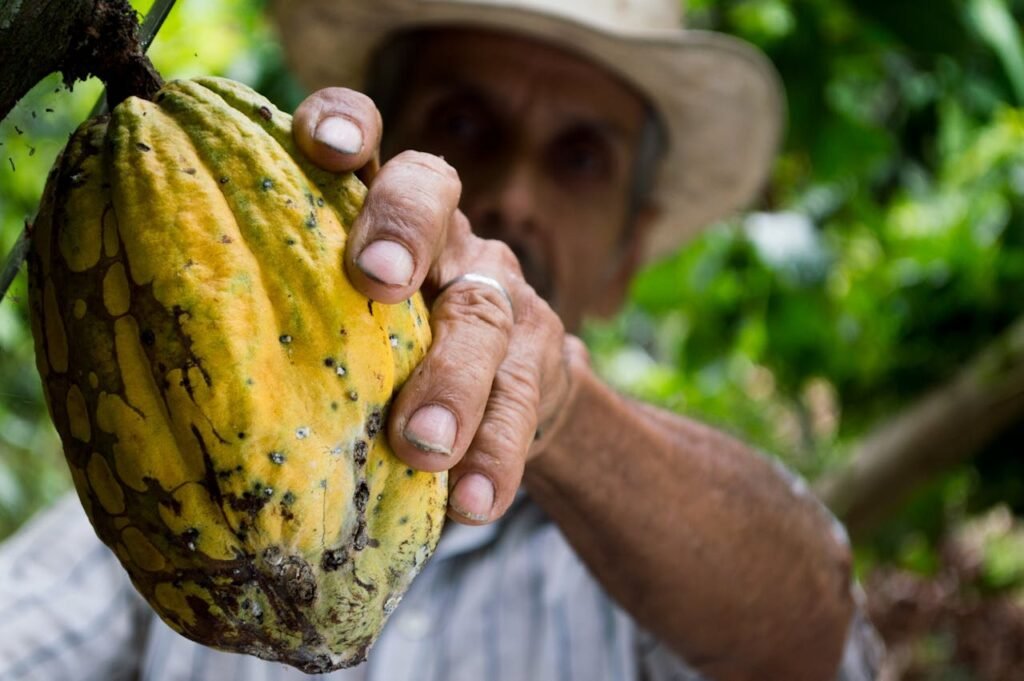
Cacao naturally absorbs whatever’s in its environment. Cadmium often comes from volcanic soils in certain growing regions, while lead contamination typically happens during processing—think beans dried in areas with environmental lead exposure.
Now, we’re not talking about immediate danger here. But if you’re someone who adds cacao to your morning smoothie religiously, those small amounts can add up over time. Cadmium affects kidney function, while lead can impact neurological health and development. Neither makes for a good long-term relationship.
Recent research published in Frontiers in Nutrition analyzed 72 cacao products over multiple years and found that 43% of the products studied exceeded acceptable levels of lead and 35% exceeded cadmium levels, according to the study, which was based on a California law that sets maximum allowable dose levels for heavy metals in food. Consumer Reports has also published multiple investigations showing concerning heavy metal levels in popular chocolate products.
California’s Prop 65 warnings exist for a reason, even if they sometimes seem to be on everything. The smart approach? Choose brands that actually test their products and share those results, rather than hoping for the best.
Flavanols: The Real Reason Cacao Earned Its Superfood Status
Strip away the marketing buzz, and here’s what actually makes cacao special: flavanols.
These antioxidant compounds are the real powerhouses behind cacao’s health benefits. Research shows they support blood flow, help maintain healthy blood pressure, boost brain function, and reduce inflammation. They’re even linked to better skin health and exercise performance.
Multiple peer-reviewed studies have demonstrated these effects. A systematic review published in the American Journal of Clinical Nutrition found that chocolate and cocoa consumption improved flow-mediated dilatation (a measure of blood vessel function) and reduced insulin resistance. Additional research published in Circulation and multiple PubMed studies have shown improvements in endothelial function, blood pressure, and platelet function.
But here’s where it gets tricky: processing can absolutely destroy these beneficial compounds. Raw cacao that’s been gently handled keeps most of its flavanols intact. Dutch-processed cocoa might taste smoother and less bitter, but much of what makes cacao nutritionally valuable gets stripped away in the process.
If you’re choosing cacao for its health benefits (and not just because chocolate is delicious), stick with raw or minimally processed options that haven’t had the life processed out of them.
Your Cacao Shopping Guide: What Actually Matters
Before you start filling your Amazon cart, let’s talk about what’s worth your attention on those product labels.
Third-Party Lab Testing
is the gold standard. Some brands actually publish their heavy metal test results, which shows real confidence in their product quality.
Organic Certification
is nice to have, but don’t assume it guarantees low heavy metals. Organic soil can still contain naturally occurring contaminants.
Country of Origin
does matter. Research suggests that chocolate made from West African and Asian cocoa generally has lower cadmium and lead levels compared to some other growing regions. Cacao from regions like Ecuador and Sierra Leone typically shows lower cadmium levels compared to some other growing areas.
Raw or Non-Alkalized
processing is your best bet for preserving those valuable flavanols.
Fair Trade Certification
shows the brand cares about ethical sourcing and supporting farming communities.
And please, take marketing terms like “pure,” “superfood,” or “natural” with a grain of salt unless there’s actual certification backing them up. Anyone can put those words on a package.
The Cacao Powders That Actually Deliver
After reviewing lab reports and testing data, here are the brands that consistently show up as both safe and effective.
Viva Naturals Organic Cacao Powder

A well-established brand with a strong track record in the superfood industry.
Navitas sources from multiple regions including Sierra Leone and maintains both Organic and Fair Trade certifications. Their Clean Label Project certification provides additional assurance of purity. The cacao is raw and non-alkalized, preserving maximum nutritional value.
Best for: Health-conscious consumers who prefer brands with extensive certifications and testing history.
Navitas Organics Cacao Powder

This Ecuadorian-sourced powder hits that sweet spot of clean, affordable, and genuinely nutritious.
What sets it apart: Cold-pressed processing keeps the flavanols happy, while consistent testing shows reassuringly low heavy metal levels. The flavor leans toward the bitter side, but that’s actually what you want—it means they didn’t process out all the good stuff.
Perfect for: Daily smoothies, energy balls, or anyone who wants quality cacao without breaking the bank.
Terrasoul Superfoods Cacao Powder
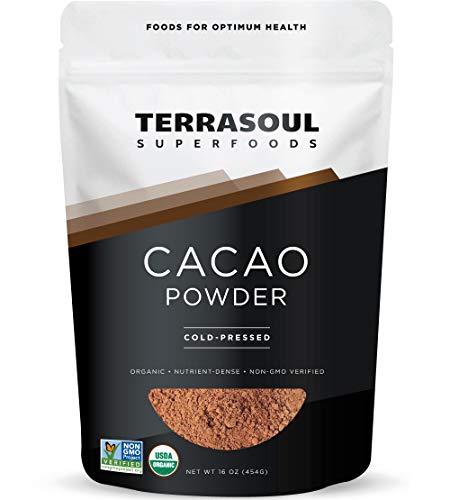
Proof that good value doesn’t mean compromising on quality.
This raw, organic powder consistently tests well for heavy metals while maintaining that rich, earthy cacao flavor. It’s less intense than some options, making it perfect for daily use without overwhelming your taste buds.
Perfect for: Budget-conscious shoppers who refuse to compromise on safety.
CocoaVia Cardio Health Supplement

Okay, this isn’t really a pantry staple, but if flavanols are your main goal, nothing else comes close.
CocoaVia is essentially cacao in supplement form, with clinically standardized flavanol content. It’s designed specifically for heart and brain health rather than culinary adventures, but the science behind it is solid.
Perfect for: Anyone treating cacao more like medicine than food.
Ghirardelli 100% Cocoa Powder

The reliable mainstream option that doesn’t let you down.
Yes, it’s Dutch-processed, which means fewer flavanols. But Ghirardelli’s safety standards are rigorous, and their heavy metal levels consistently test low. Sometimes you just want dependable cocoa powder that won’t cause any worries.
Perfect for: Baking enthusiasts who prioritize safety and consistent results.
The Brands We’d Skip
Transparency matters, and some popular options haven’t exactly earned our confidence based on independent testing reports.
Without throwing anyone under the bus too hard, several brands have shown up with higher-than-ideal heavy metal levels in various batches: Whole Foods 365 Organic, Sunfood Superfoods, Trader Joe’s, and various generic Peruvian cacao powders have all raised some eyebrows among testing organizations.
The lesson? Pretty packaging and health claims don’t guarantee a clean product. When in doubt, look for actual lab results or third-party certifications.
Making the Most of Your Cacao (Without Overdoing It)
Even the cleanest cacao deserves some respect—here’s how to use it wisely.
Start with 1-2 tablespoons daily. That’s enough to get the health benefits without turning your morning routine into a heavy metal accumulation experiment. Mix it with vitamin C-rich foods like berries to boost absorption or blend it into a smoothie. Either way, try to avoid boiling it if you want to preserve those precious flavanols.
Storage is simple: cool, dry, and away from light. Treat it like the superfood it is, and it’ll treat you well in return.
The Bottom Line
Choosing good cacao powder isn’t rocket science, but it does require paying attention to more than just price and packaging.
The brands that make our list prove you can have your chocolate and eat it too, safely. They’ve done the testing, sourced responsibly, and processed minimally to preserve what actually makes cacao worth eating.
Your taste buds will be happy, your body will thank you, and you can feel good about supporting brands that actually care about what ends up in your mug.
FAQ: Everything Else You’re Wondering About Cacao
What’s the difference between cacao and cocoa powder anyway?
Cacao is the less processed version that keeps more nutrients intact. Cocoa powder is usually roasted and sometimes alkalized, which makes it milder but less nutritious.
How much is too much cocoa?
Stick to 1-2 tablespoons daily. More than that and you’re potentially accumulating heavy metals faster than your body can clear them.
How can I tell if my cacao is high in flavanols?
Look for “raw” and “non-alkalized” on the label. Some brands even publish their flavanol content, though that’s still pretty rare.
Does “organic” mean it’s automatically safe?
Organic is good, but it doesn’t guarantee low heavy metals. You really want to see third-party testing results for the full picture.
Will heating destroy the health benefits of cocoa?
High heat does reduce flavanol content, so save the boiling for regular cocoa powder and keep your superfood cacao in gentler recipes when possible.