

We may earn a commission for purchases made through our links.
“This content is for informational purposes only and is not intended as medical advice. Always consult a qualified healthcare provider before making decisions about your health.”
Ever notice how your stomach seems to “know” when you’re nervous? There’s actual science behind that gut feeling. Your digestive system houses trillions of microorganisms that influence everything from nutrient absorption and immune function to mood regulation and chronic disease risk.
When your gut microbiome is balanced, your body operates efficiently. When it’s disrupted, the effects can show up as digestive issues, low energy, compromised immunity, and even mood changes.
More Than Just Digestion
Your digestive system does far more than break down your morning coffee and lunch. It operates as a sophisticated command center for immune function, nutrient processing, and even mental health.
Your Body’s Primary Defense System
Here’s something that might surprise you: an estimated 70-80% of your immune system actually resides in your gut. The microbiome works closely with your intestinal lining to distinguish between beneficial substances and potential threats, helping maintain proper immune responses.
The Gut-Brain Connection
This is where things get really interesting. Scientists have identified what they call the “microbiota-gut-brain axis”—a bidirectional communication network between your gut bacteria and brain. Through the immune system, vagus nerve, and various metabolites, your gut microbiome can influence mood, stress response, and cognitive function. So when people say “trust your gut,” there’s more truth to it than you might think.
Long-term Health Implications
Comprehensive research links gut microbiome imbalances to various health conditions, including metabolic disorders and cardiovascular disease. Maintaining gut health appears to be fundamental for overall wellness and disease prevention.
Practical Strategies That Actually Work
The good news? The most effective approaches to improving gut health are supported by solid research and don’t require anything complicated:
Increase Fiber Intake
Your beneficial bacteria have a serious appetite for fiber from vegetables, fruits, whole grains, and legumes. These foods provide exactly what healthy microbial communities need to flourish.
Include Probiotics and Prebiotics
Think of probiotics as reinforcements—beneficial bacteria joining your existing team. Some popular examples of probiotic food include: kimchi, sauerkraut, kefir, kombucha, and miso.
Prebiotics are their preferred fuel, helping these microorganisms multiply and function effectively. Some examples of prebiotics foods include: onions, garlic, leeks, bananas, oats, asparagus, and apples.
Limit Processed Foods
Highly processed foods and excess added sugars tend to feed the bacteria you don’t want dominating your gut ecosystem. The more you can crowd them out with better choices, the better.
Address Lifestyle Factors
Your gut bacteria are surprisingly responsive to stress and sleep quality. When you’re constantly stressed or sleep-deprived, your microbiome feels it too.
Recommended Gut Health Products
Ready to put this research into action? The following gut health products are available on Amazon and align with the science-backed strategies we’ve covered. From high-quality probiotics with clinically studied strains to prebiotic fibers that feed beneficial bacteria, these selections can help you build and maintain a thriving gut microbiome.
1. High Quality Probiotic Supplement
Culturelle Health & Wellness Daily Probiotic Supplement

Culturelle Health & Wellness Daily Probiotic Supplement packs 15 billion CFUs of Lactobacillus rhamnosus (LGG) – a probiotic strain that’s basically the overachiever of the gut health world with over 1,000 studies backing its effectiveness. This hardy little warrior survives your stomach’s acidic gauntlet to deliver digestive and immune support right where you need it most. What’s particularly appealing is its no-fuss approach: no refrigeration required, no gluten, dairy, or soy to worry about, and three decades of research proving it actually works.
2. Prebiotic Fiber Powder
GOBIOTIX Prebiotic Fiber Supplement Powder
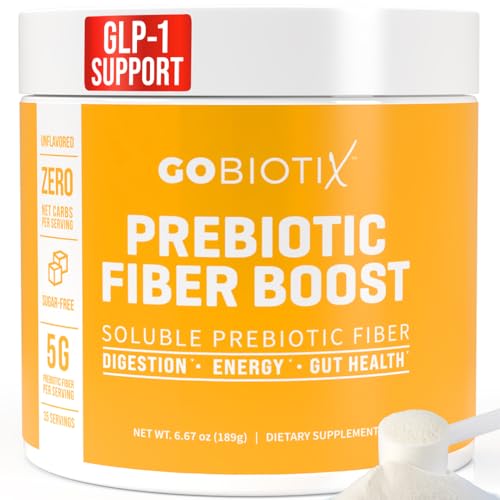
GOBIOTIX Prebiotic Fiber Supplement Powder takes a “feed the good guys” approach with its organic, tasteless blend made from clinically proven Nutraflora FOS. This unflavored powder supports beneficial bacteria while blocking dietary lectins, and its clean ingredient philosophy means no artificial sugars or sketchy additives – making it perfect for keto, paleo, and other restrictive diets. Beyond digestive support, users report reduced bloating, increased energy, and better mental clarity, because apparently happy gut bacteria are quite the multitaskers.
3. Digestive Enzymes
Pure Encapsulations Digestive Enzymes Ultra

Pure Encapsulations Digestive Enzymes Ultra is like having a Swiss Army knife for your digestive system – this broad-spectrum blend tackles proteins, carbs, dairy, and fiber with vegetarian enzymes that stay active across different pH levels in your gut. What makes it particularly appealing is its “clean slate” approach: no common allergens, artificial ingredients, or GMOs cluttering up the formula. Whether you’re struggling with that post-meal food coma or dealing with occasional gas and bloating after dairy or complex meals, this enzyme blend steps in to help break down what your body might be struggling with on its own.
4. Herbal Teas For Digestion Support
Dr. Lu Organic Turmeric Ginger Cinnamon Tea
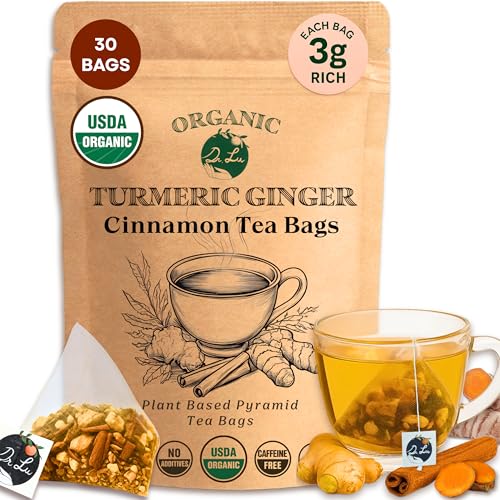
Dr. Lu Organic Turmeric Ginger Cinnamon Tea brings the holy trinity of digestive spices together in one warming, therapeutic cup that’s as comforting as it is effective. Each pyramid tea bag packs a potent 3-gram blend of South Asia-sourced roots, delivering bold flavors that support both gut health and circulation with every sip. What’s particularly thoughtful is their commitment to clean brewing – these plant-based corn fiber bags mean no plastic or nylon touching your wellness ritual.
The Research Behind the Recommendations
Current research on gut health reveals some pretty compelling connections between what you eat and how your microbiome responds.
Fiber’s Hidden Superpower
When gut bacteria ferment dietary fiber, they produce short-chain fatty acids—compounds that strengthen your intestinal lining and help regulate inflammation throughout your body. Studies show that specific types of fiber can selectively promote beneficial bacterial strains, essentially letting you customize your gut ecosystem through food choices.
The Probiotic Reality
Here’s where things get nuanced. Research on probiotics shows real promise, particularly for digestive conditions like IBS, but effectiveness varies significantly by strain and formulation. A comprehensive 2023 analysis confirms what many researchers suspected: while some probiotic strains provide measurable benefits, success depends heavily on choosing products with specific, well-studied bacterial strains. Not all probiotics are created equal.
Your Next Steps
The relationship between gut health and overall wellness is well-established, and the changes you make can begin shifting your microbiome composition surprisingly quickly—often within days, with more significant improvements over weeks and months.
Your gut microbiome influences digestion, immune function, mood regulation, and long-term disease risk. The strategies above—increasing fiber intake, incorporating quality probiotics, reducing processed foods, and managing stress—offer practical ways to support this crucial system.
The real question isn’t whether gut health matters for your overall wellness. It’s which evidence-based approach you’ll start with today.
FAQs About Gut Health
How long does it take to improve gut health?
With dietary changes and supplements, many people notice improvements in digestion within 2–4 weeks, but full microbiome balance can take months.
Can poor gut health cause fatigue?
Yes. When your gut isn’t absorbing nutrients efficiently, energy levels can drop. Additionally, gut imbalances may trigger systemic inflammation, contributing to fatigue.
Should I take probiotics daily?
Many experts recommend daily probiotics, especially if you’re not eating fermented foods regularly. However, the type and strain matter, so always choose high-quality supplements.
Is gut health connected to weight loss?
Research suggests that certain gut bacteria influence metabolism and fat storage. While probiotics alone won’t cause weight loss, they may support better metabolic health when paired with diet and exercise.
What are natural sources of probiotics?
Foods like yogurt, kefir, sauerkraut, kimchi, and miso provide live beneficial bacteria that support gut balance.